Why Are Adults Over 50 in Overland Park Paying More Attention to Balance Training?
Why Are Adults Over 50 in Overland Park Paying More Attention to Balance Training?
Staying active after 50 can mean paying closer attention to how the body moves, supports itself, and responds to everyday tasks. Changes in strength, flexibility, and coordination can affect activities such as walking, climbing stairs, or getting up from a chair.
A thoughtful fitness routine can focus on these areas while also supporting long-term physical health. For older adults, simple and suitable exercises can become an important part of maintaining an active and independent lifestyle.
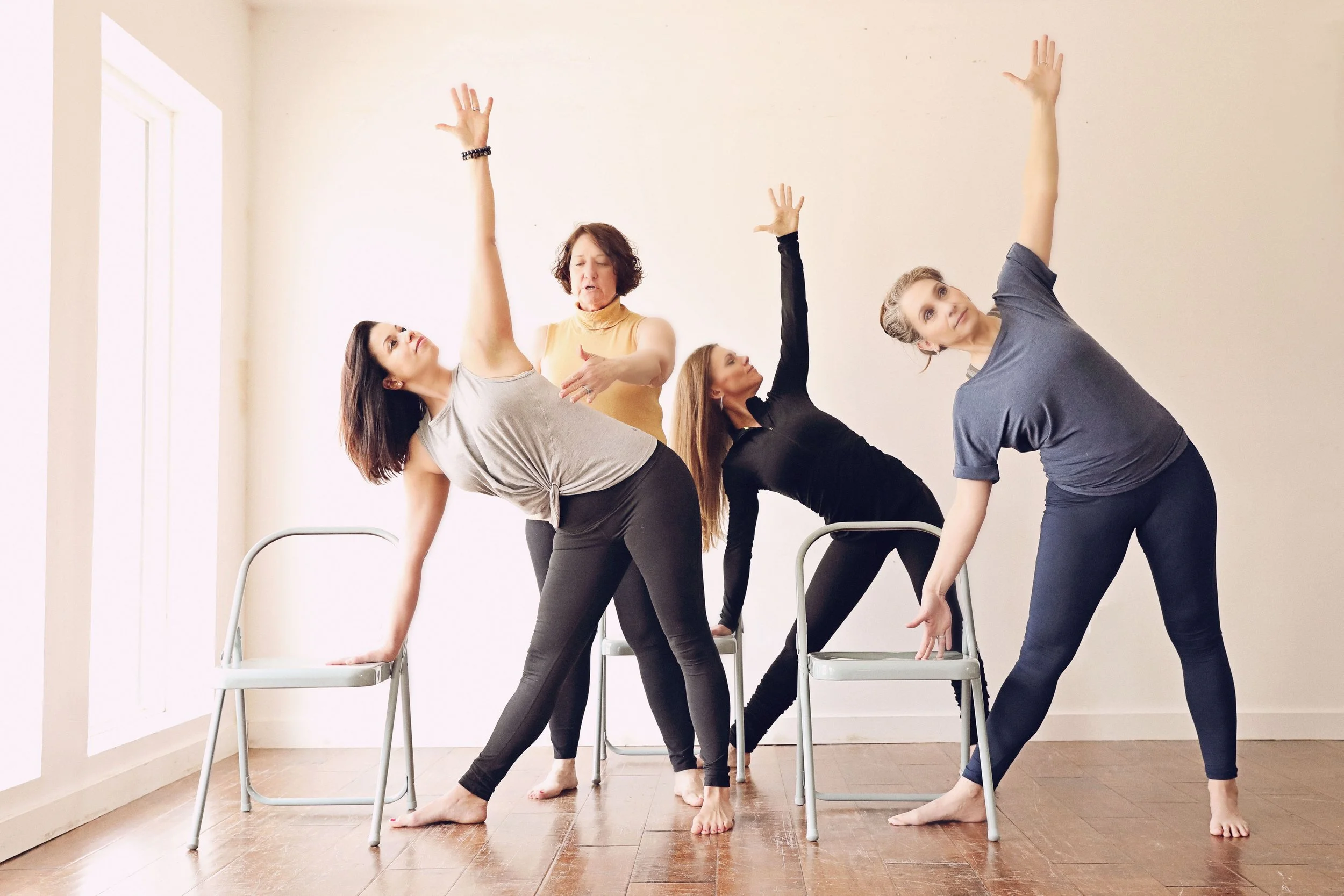
As people pass 50, they may start to feel small shifts in balance. Getting up, moving across bumpy sidewalks, or pivoting fast can feel harder than before. In Overland Park, balance training helps adults work on these skills with safe, easy exercises. Balance training is also about more than avoiding falls.
It can help people feel steadier in daily life, with better body control. Many also notice stronger legs and more self-trust when doing routine tasks. With practice on a set schedule, moving can start to feel smoother.
What Changes Can Make Balance More Important With Age?
Getting older can reduce muscle strength. Flexibility may drop too. Vision and hand-eye timing can change as well. These shifts can change the way someone walks or moves between positions. When someone practices balance often, their body has time to keep adapting. Regular day-to-day tasks can be a chance to practice balance.
Walking, standing up from a chair, reaching for something on a shelf, or stepping over an object can all test control. With safe exercises, these habits can be trained in a clear and steady way.
How Can Balance Training Support Everyday Movement?
Good balance can make daily movement easier to manage. It can support the muscles used for standing, walking, turning, and changing direction. Stronger movement skills can also make people more comfortable taking part in activities they enjoy.
A balanced exercise plan can include movements for the legs, core, and upper body. Each exercise can be adjusted based on a person’s ability and comfort. Slow, controlled movements can be a good place to begin.
Simple Ways to Work on Balance and Strength:
A well-planned routine can include different types of movements. Each one can focus on a specific part of physical fitness.
- Standing balance: Practice standing with good posture while holding a stable surface if needed.
- Leg strength: Simple chair stands can work the muscles used for getting up and sitting down.
- Core control: Gentle movements can support better control of the body.
- Walking practice: Slow walking exercises can work on coordination and steady steps.
- Weight-bearing movement: Safe bone strength exercises in Overland Park can support muscles and bones through suitable movement.
Exercises should match a person’s fitness level. Anyone with health concerns, recent injuries, or bone problems should speak with a healthcare professional before starting a new exercise routine.
Why Is Consistent Practice Important After 50?
Balance and strength can improve with regular practice. A few minutes of safe exercise can be easier to maintain than a difficult routine that is hard to follow. Small steps can add up over time.
Consistency also gives adults more chances to notice changes in their movement. An exercise professional can adjust movements as strength, balance, or confidence improves. The goal is to build a routine that fits daily life.
What Should Adults Look for in a Balance Program?
A good balance program should be safe, clear, and suited to the person’s needs. Exercises should not be chosen only because they look easy. The right movements depend on strength, mobility, past injuries, and fitness level.
A personalized approach can make exercise more useful. Adults may benefit from learning how to move with better control rather than simply repeating a long list of exercises. Proper guidance can also make it easier to exercise with confidence.
Frequently Asked Questions
Is balance training useful after age 50?
Yes. Balance training can support body control, leg strength, coordination, and confidence. Regular practice may also make everyday movements such as walking, standing, and turning easier to manage.
How often should older adults practice balance exercises?
Adults can include balance exercises as part of a regular fitness routine. The right schedule depends on fitness level and health needs. A qualified professional can suggest safe exercises and a suitable routine.
Can balance exercises help with walking?
Balance exercises can support the skills needed for steady walking. They may work the legs, core, coordination, and body control. Exercises should be adjusted to match a person’s current ability.
Are strength exercises important for older adults?
Yes. Strength exercises can support muscles used during everyday movement. They can also support independence and physical function. A suitable routine can include simple movements that match an adult’s strength and fitness level.
Can adults with bone concerns exercise safely?
Many adults with bone concerns can stay active with the right exercises. However, some movements may not be suitable for certain conditions. A healthcare professional can help identify safe activities before starting a new routine.
Final Thoughts
Balance does not have to be ignored as people get older. Simple, steady exercises can support strength, coordination, and better movement. Adults over 50 can benefit from a routine built around their needs, abilities, and daily goals. With the right guidance, balance training can become a practical part of staying active and independent.
Move with More Confidence
Life Balancing Therapies offers personalized support for adults who want to improve strength, mobility, and balance. Life Balancing Therapies provides gentle, guided sessions designed around individual needs and goals. Contact the team to learn how a personalized approach can support safer, stronger movement.
Recent Posts
-
-
-
-
-

A beginner’s guide to meditation
May 14, 2026